


 English
 中文简体
中文简体
 Español

Cuando un diseño de fundición requiere resistencia a la corrosión después de la soldadura, el acero inoxidable 304L suele ser el primer grado sobre el que preguntará un fabricante. La razón es sencilla: el 304L mantiene el carbono por debajo del 0,03 por ciento, lo que minimiza el riesgo de precipitación de carburo de cromo en la zona afectada por el calor. Para un OEM que compra componentes fundidos, eso se traduce en menos fallas de soldadura, menos retrabajo y un menor costo total de propiedad. Si obtiene piezas fundidas de acero inoxidable 304L, la forma más rápida de proteger su proyecto es confirmar que la fundición funciona según ASTM A351 grado CF-3 y que puede proporcionar un certificado de prueba de material con cada calentamiento.
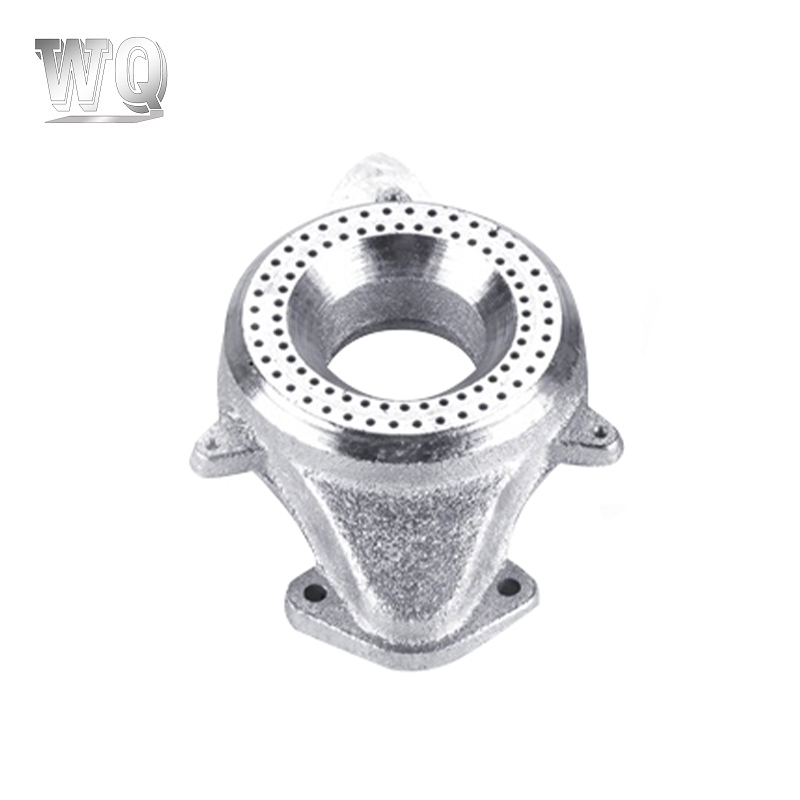
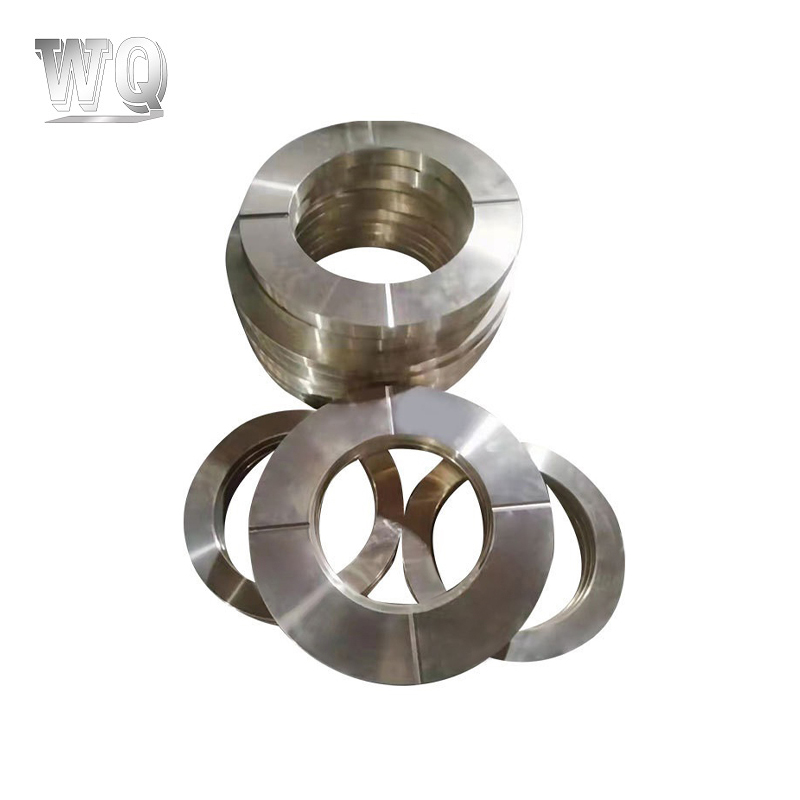 Piezas fundidas de acero inoxidable 304L en grado CF-3 para ensamblajes soldados Explore las piezas fundidas de acero inoxidable 304L que cumplen con ASTM A351 CF-3, con bajo contenido de carbono para evitar la sensibilización. Ideal para piezas soldadas que requieren resistencia a la corrosión y microestructura estable. Ver producto →
 Contenido
Composición química y especificaciones clave
La composición química del acero inoxidable 304L es lo que lo separa del estándar 304. En forma fundida, este grado se identifica como CF-3. El límite de carbono es de 0,03% como máximo, mientras que el cromo y el níquel se mantienen en los rangos de 18,0 a 21,0% y 8,0 a 11,0%, respectivamente. Estos valores proporcionan la misma resistencia general a la corrosión que el 304, excepto que la microestructura soldada permanece estable. El manganeso tiene un límite del 2,00%, el silicio del 1,00% y el molibdeno del 0,50%. El fósforo y el azufre también se controlan al 0,04% cada uno.
La siguiente tabla resume los rangos de composición clave para el 304L fundido (CF-3) en comparación con el 304L fundido (CF-8). Comprender esta comparación ayuda a los equipos de adquisiciones a ver por qué se prefiere la versión con bajas emisiones de carbono para las fabricaciones soldadas.
| Elemento | CF-3 (304L) | CF-8 (304) |
|---|---|---|
| Carbono, máx. | 0,03% | 0,08% |
| cromo | 18,0–21,0% | 18,0–21,0% |
| níquel | 8,0–11,0% | 8,0–11,0% |
| Manganeso, máx. | 2,00% | 1,50% |
| Silicio, máx. | 1,00% | 2,00% |
| Molibdeno, máx. | 0,50% | 0,50% |
Propiedades mecánicas que puede esperar de una fundición 304L
Las propiedades mecánicas de una pieza fundida de 304L se certifican después del tratamiento térmico. Según ASTM A351, la resistencia a la tracción mínima para CF-3 es 485 MPa (70 ksi), el límite elástico mínimo es 170 MPa (25 ksi) y el alargamiento mínimo es 30 %. Estos números son suficientes para la mayoría de las piezas que contienen presión, pero los valores reales en una pieza fundida de producción variarán según el espesor de la sección y el tratamiento térmico.
Para los compradores, el punto importante es que las propiedades mecánicas no son las mismas que las de la barra forjada de 304L. Las estructuras fundidas tienen una morfología de grano diferente, por lo que el límite elástico puede ser ligeramente menor. Por eso es fundamental revisar el ciclo de tratamiento térmico de la fundición y solicitar cupones de prueba para cada ejecución de producción.
Consideraciones del proceso de fundición para 304L
La fundición de 304L se realiza con los mismos métodos utilizados para otros grados de acero inoxidable austenítico. La fundición a la cera perdida, también conocida como fundición a la cera perdida, es común cuando se necesita una geometría compleja y un acabado superficial fino. Se pueden utilizar tanto el proceso de sol de sílice como el de vidrio soluble, y cada uno tiene una tolerancia y un perfil de superficie diferentes. Para secciones más grandes o más pesadas, el moldeado en cáscara o la fundición con resina y arena ofrecen una ruta más económica.
Debido a que 304L es una aleación austenítica con un alto coeficiente de expansión térmica, el diseño de la fundición debe tener en cuenta la contracción y el desgarro en caliente. La ubicación del tubo ascendente, las dimensiones de la compuerta y la temperatura de vertido influyen en la calidad final. Una fundición con mecanizado interno resulta especialmente útil en este caso, porque puede manejar tanto la pieza bruta fundida como el posterior taladrado, roscado y acabado en una sola cadena de suministro. Es por eso que las plantas integradas de fundición y mecanizado de precisión suelen ser la fuente más confiable de dichas piezas.
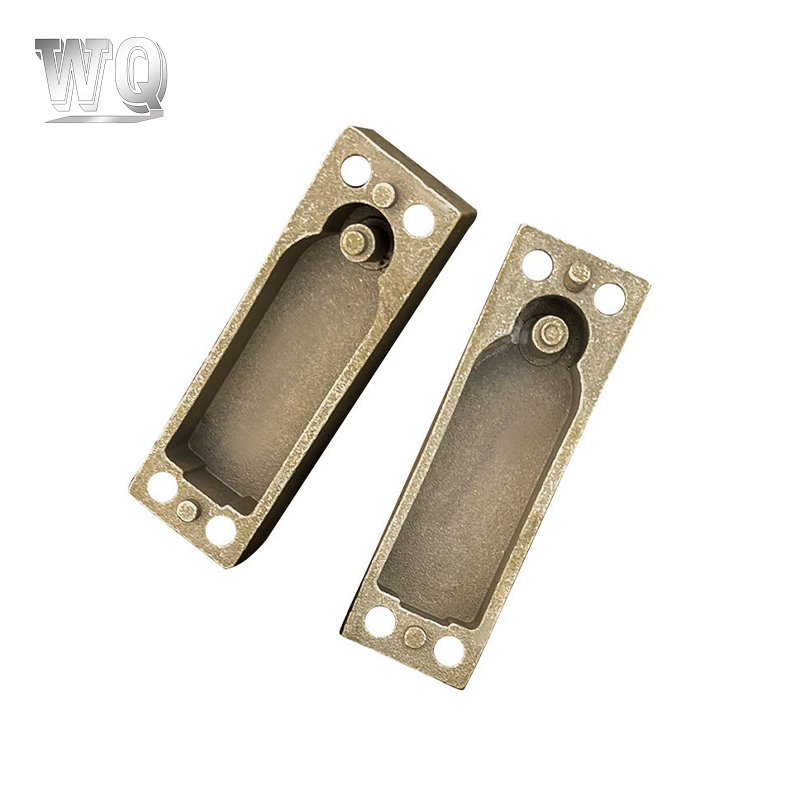
Fundición a la cera perdida de acero inoxidable con servicios de mecanizado integrados Considere la posibilidad de realizar una fundición a la cera perdida de acero inoxidable de una fundición que ofrezca mecanizado interno. Agiliza la producción de piezas complejas como carcasas de bombas y cuerpos de válvulas, garantizando el control de calidad. Ver producto → Donde las piezas fundidas 304L ofrecen el mayor valor
Las piezas fundidas de acero inoxidable 304L se utilizan en industrias donde los conjuntos soldados deben permanecer resistentes a la corrosión. Las piezas típicas incluyen carcasas de bombas, cuerpos de válvulas, impulsores, accesorios de tuberías, bridas y componentes de equipos de proceso. La industria de alimentos y bebidas depende de piezas fundidas 304L para bombas y válvulas, mientras que las industrias marina y química las utilizan cuando el ataque de cloruro es una preocupación.
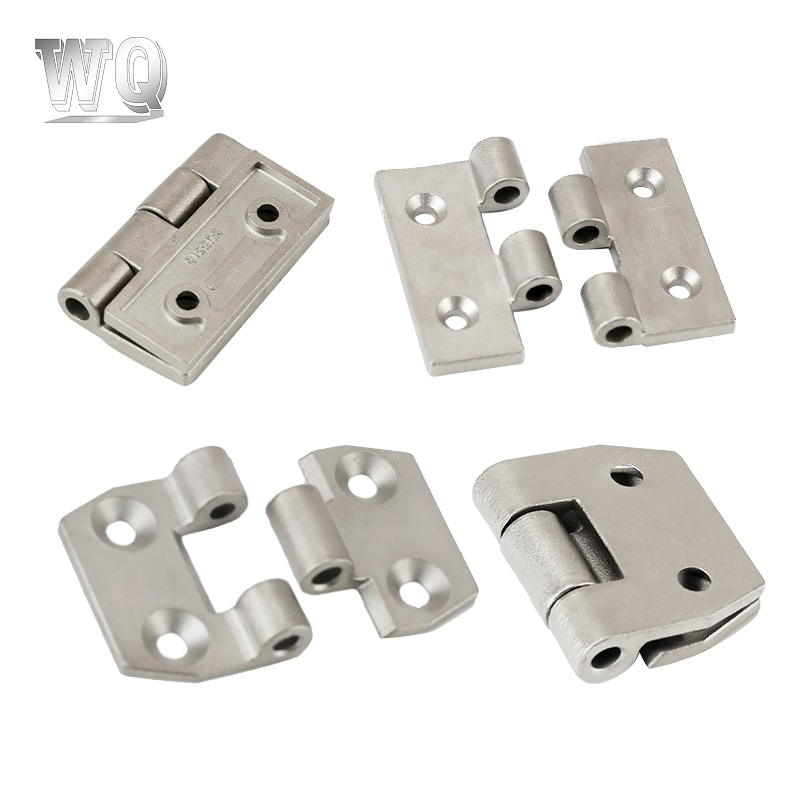
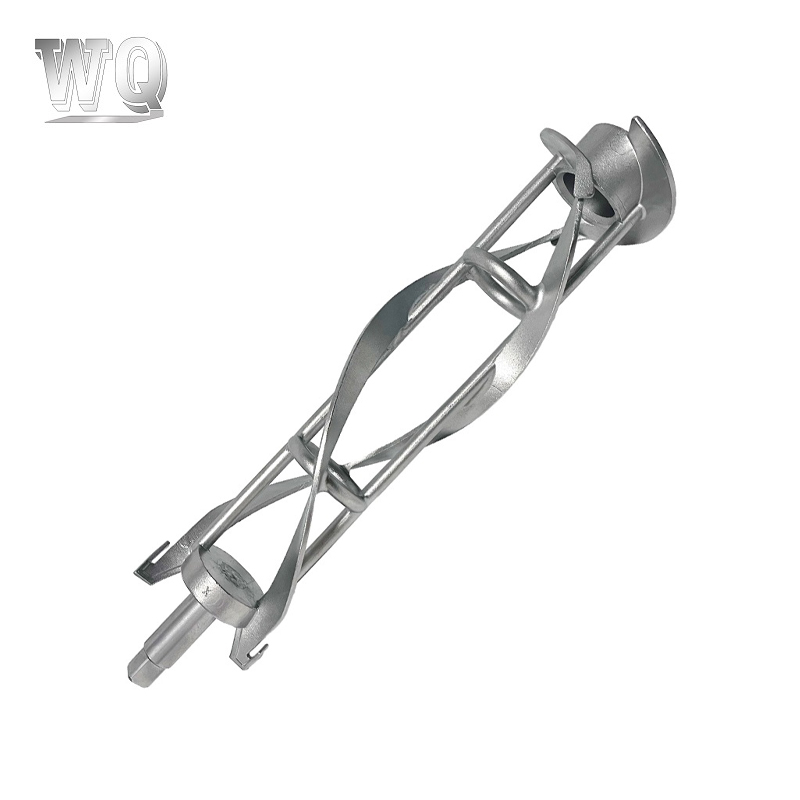
Para equipos de cocina comerciales, las piezas fundidas 304L se pueden encontrar en ejes mezcladores, componentes de cocina y otros herrajes de acero inoxidable. La resistencia del material a las picaduras y a la transformación ferrítica lo convierte en una opción confiable en ambientes húmedos o ricos en vapor. Si está evaluando aplicaciones de fundición de acero inoxidable, es útil comprender el mecanismo de corrosión específico en juego, y muchas fundiciones publican explicaciones técnicas que pueden guiar su decisión, como esta revisión de Aplicaciones de fundición de acero inoxidable y su resistencia. .
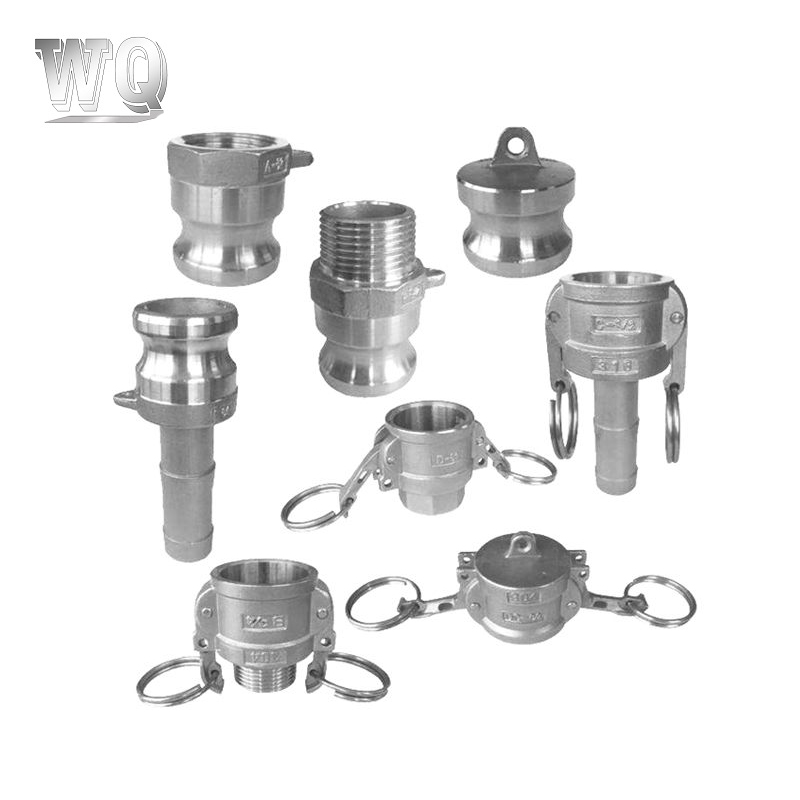
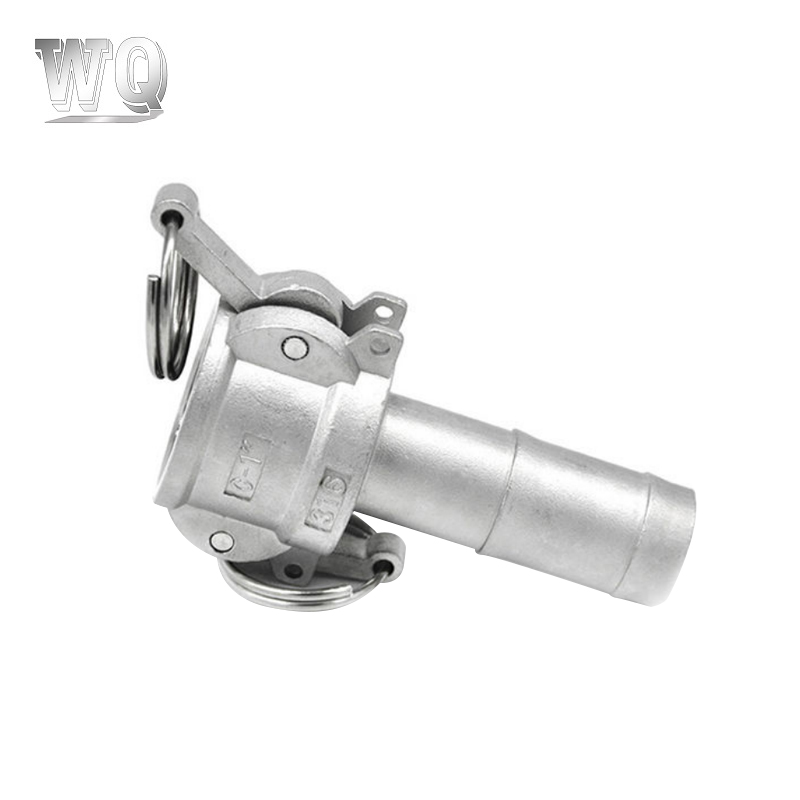
Para los conectores de tuberías, las piezas fundidas 304L se utilizan en acoplamientos camlock de liberación rápida, donde se necesita fuerza y resistencia a la corrosión en una pieza compacta.
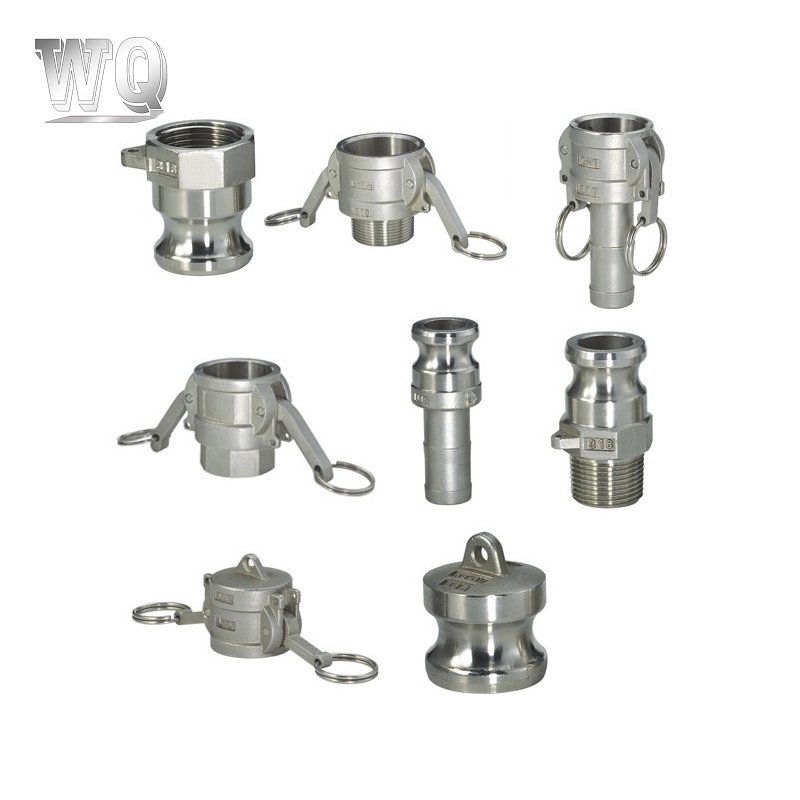 Acoplamientos Camlock de liberación rápida en acero inoxidable 304L Encuentre acoplamientos Camlock de liberación rápida fabricados en acero inoxidable 304L. Proporcionan solidez y resistencia a la corrosión para conexiones de tuberías, adecuados para sistemas de manipulación de fluidos. Ver producto →
 Cómo comprar piezas fundidas 304L con confianza
Cuando esté listo para realizar una orden de compra de piezas fundidas 304L, hay tres cosas que debe confirmar con el proveedor. Primero, solicite la designación de grado y el estándar exactos. CF-3 es el equivalente de fundición de 304L, y la fundición debería poder proporcionar un análisis térmico que muestre carbono en 0,03% o menos.
En segundo lugar, revise las tolerancias dimensionales. Las piezas fundidas a la cera perdida pueden tener tolerancias más estrechas que las piezas fundidas en arena, pero ambas requieren un dibujo claro con referencias de referencia y tolerancias de mecanizado. En tercer lugar, verificar cómo maneja la fundición las operaciones posteriores a la fundición. ¿Realiza recocido en solución? ¿Alivia el estrés en secciones complejas? ¿Tiene la capacidad de mecanizado para terminar la pieza según su dibujo?
Estas preguntas son importantes porque una pequeña diferencia en el contenido de carbono o en el tratamiento térmico puede cambiar el comportamiento frente a la corrosión. Si su entorno de servicio es más agresivo que la exposición atmosférica típica, también debe comparar el 304L con el 316L. El mayor contenido de molibdeno en el 316L proporciona una resistencia mejorada a las picaduras inducidas por cloruro. Revisando las diferencias entre Fundición de acero inoxidable 304L y 316L le ayudará a realizar una selección precisa de la aleación.
El socio proveedor adecuado no sólo producirá piezas fundidas de 304L según las especificaciones CF-3, sino que también explicará el proceso y las ventajas y desventajas. El bajo contenido de carbono, el comportamiento de soldadura controlado y las propiedades mecánicas predecibles hacen del 304L una opción práctica para muchos componentes industriales. Comience con el certificado de material, confirme el proceso de fundición que exige su geometría y trabaje con una fundición que pueda mecanizar y terminar la pieza bajo un mismo techo. Esa combinación te da confianza antes de verter el metal.